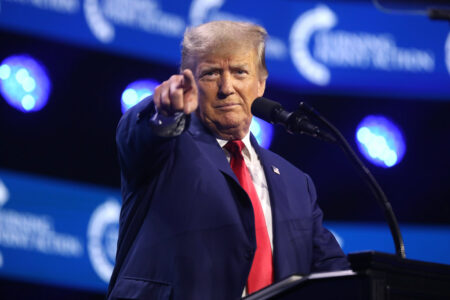


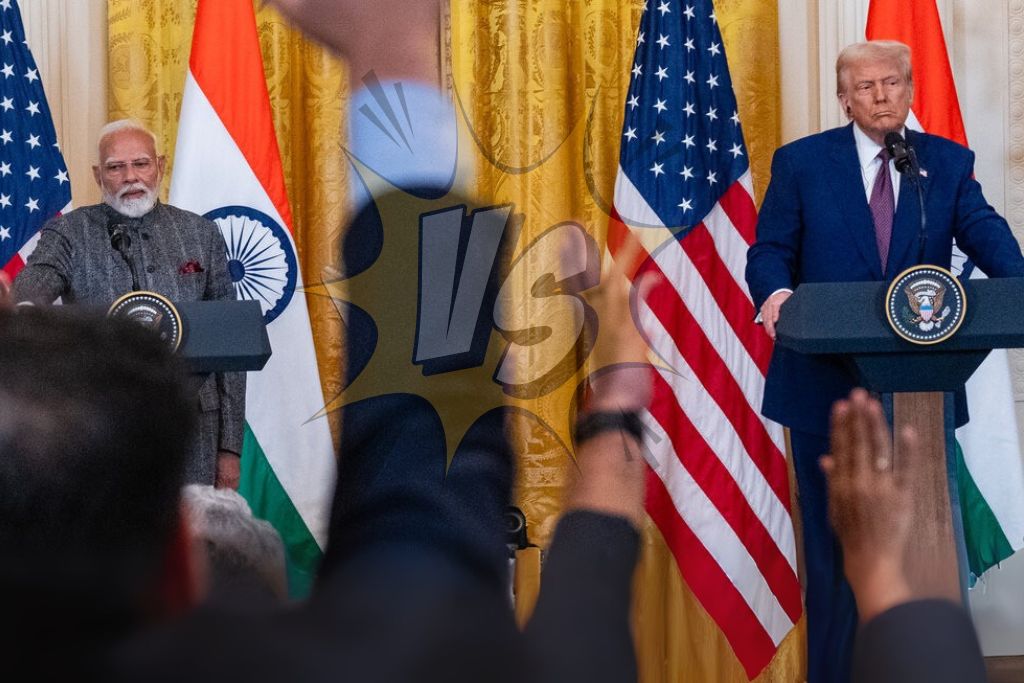
India, Asia’s third-largest economy, is bracing for a potential 1% hit to its GDP after US President Donald Trump doubled tariffs on Indian goods to 50%. The reason? India’s continued imports of Russian oil, a move Trump says undermines US-led pressure on Moscow over the Ukraine war. This high-stakes trade decision is sending shockwaves through Indian industry, government, and financial markets, with widespread implications for the economy and geopolitics.
Why Did Trump Impose 50% Tariffs on India?
The Trump administration’s latest executive order added another 25% duty to Indian exports, bringing total tariffs on Indian goods into the United States to an unprecedented 50%. The White House justified the move as a response to India’s continued purchase of Russian oil, asserting that these imports weaken efforts to curb Russia’s actions in Ukraine and threaten US national security. With over 35% of India’s oil now coming from Russia, the US has signaled that those who help finance Moscow’s war machine face harsh consequences.
Immediate Economic Fallout
The new tariffs are set to take effect in 21 days—ending August 27—a tight window for any hope of a negotiated settlement. According to analysts at Bloomberg Economics and Morgan Stanley, the Indian economy could lose as much as a full percentage point of GDP growth, or 80-120 basis points, as a result of reduced exports to the US. Key points:
-
The US is India’s largest export market, with shipments worth nearly $87 billion in 2024 alone.
-
Export-dependent sectors like textiles, gems, jewelry, automotive parts, and electronics are expected to be hit hardest, as their products could become uncompetitive.
-
Outbound shipments to the US could fall by 40–60%, based on various analyst models, dramatically impacting labor-intensive industries.
Big Picture: Why This Hurts India
While India has been saving roughly $3.8 billion a year by buying discounted Russian oil, the loss of the US export market would be far costlier in the aggregate. The current GDP growth forecast for 2025–26 was already a tempered 6.5%—well below the 8% levels of pre-pandemic years. The new tariffs pose a clear and present downside risk to this outlook.
Some economists and trade specialists also warn that the fallout may extend beyond direct exports:
-
Foreign currency flows and India’s balance of payments could deteriorate, straining the rupee.
-
The indirect effects on investor confidence and capital inflows are likely to deepen any GDP losses, especially if global supply chains are restructured or India’s competitiveness is eroded for the long term.
Government and Industry Response
New Delhi has denounced the US action as “unfair, unjustified, and unreasonable,” questioning why India is targeted while other major buyers of Russian oil, such as China and Turkey, have escaped similar penalties. Prime Minister Narendra Modi’s administration vowed to defend the nation’s economic interests and hinted at both diplomatic and strategic countermeasures.
Indian exporters and trade groups are alarmed. Many fear immediate order cancellations, layoffs, and a scramble to find alternative markets. “Are you going to risk up to $87 billion worth of exports to the US in order to save a few billion from oil discounts?” asked Warren Patterson, ING’s head of commodities strategy, highlighting the unfavorable cost-benefit equation. Some suggest that India could diversify its oil imports back toward the Middle East or Africa, although doing so would entail price and political trade-offs.
Options and Outlook
-
Negotiation Window: There is still hope for intense US–India talks before the tariffs take effect. A lower tariff could limit the GDP hit to 0.2–0.4%. Without a compromise, a 1% or greater GDP loss looms large.
-
Defense Against Tariffs: India is exploring possible cases at the World Trade Organization, retaliation against US imports, and potential alliances with other affected economies.
-
Geopolitical Shifts: A sustained US–India rift could reshape alliances, trade pacts, and oil politics across Asia.
Bottom Line: What’s Next?
India stands at an economic and geopolitical crossroads. The cost of resisting US pressure over Russian oil could be severe—up to a 1% GDP loss, export disruption, and a potential realignment of global partnerships. The next three weeks are critical: whether New Delhi and Washington can negotiate a compromise will define not just the trajectory of India’s recovery, but also the future of global trade in a deeply polarized world.